


































Verified Platforms
Quick Links
Where to Stay Secure
Thank you! Your submission has been received!
Oops! Something went wrong while submitting the form.


Welcome to this Kodex walkthrough: What Is a Token - The Token Itself.
In this piece, we explain what a token actually is — not as hype or investment, but as a system of rules written into a blockchain.
You’ll learn where tokens live, how their rules are defined, and why understanding that changes how every chart should be read.
Let's begin.
It was late at Kodex Academy.
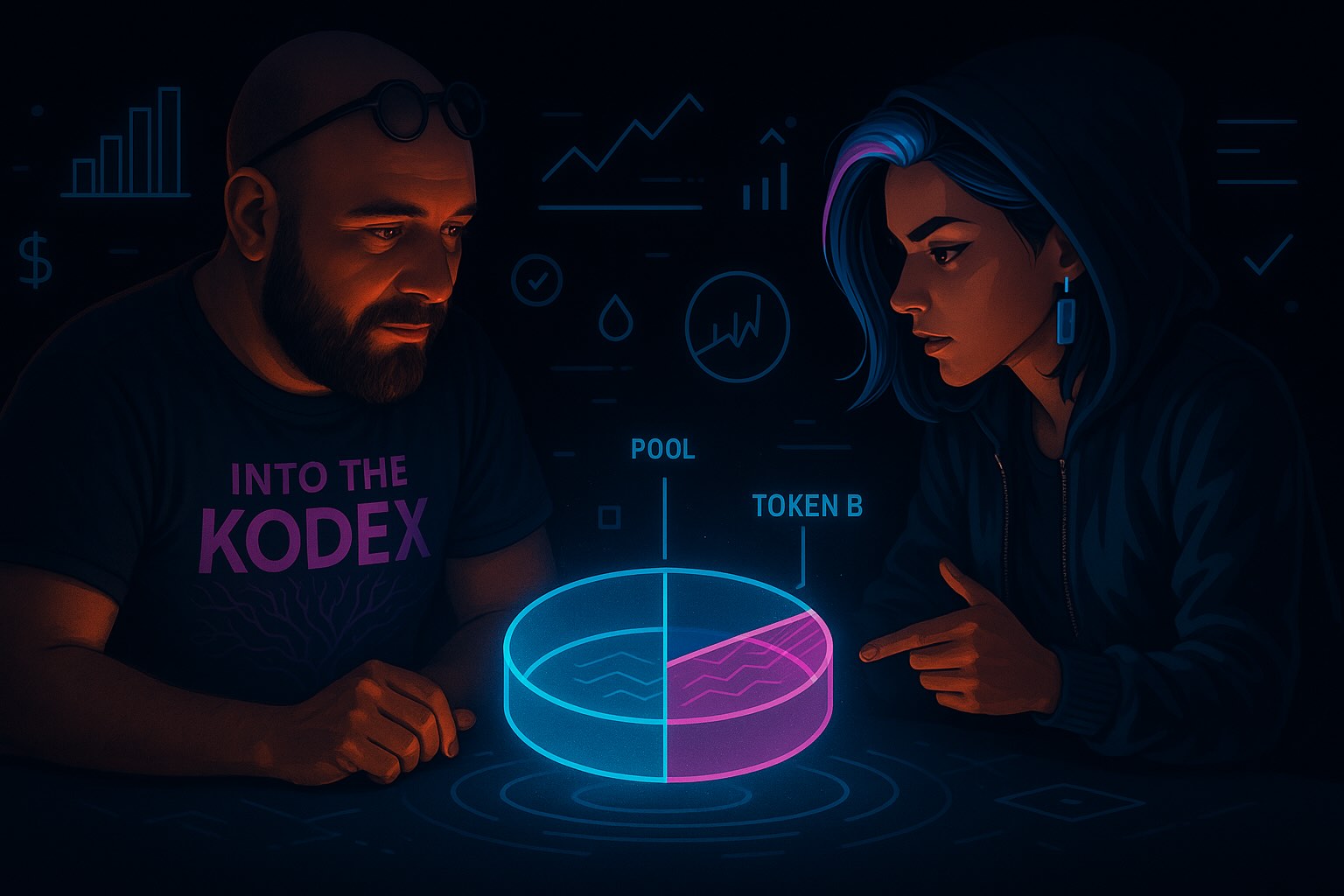
The lights in the lecture wing had dimmed hours ago, but two desks still glowed in the corner room — one neat, one messy.
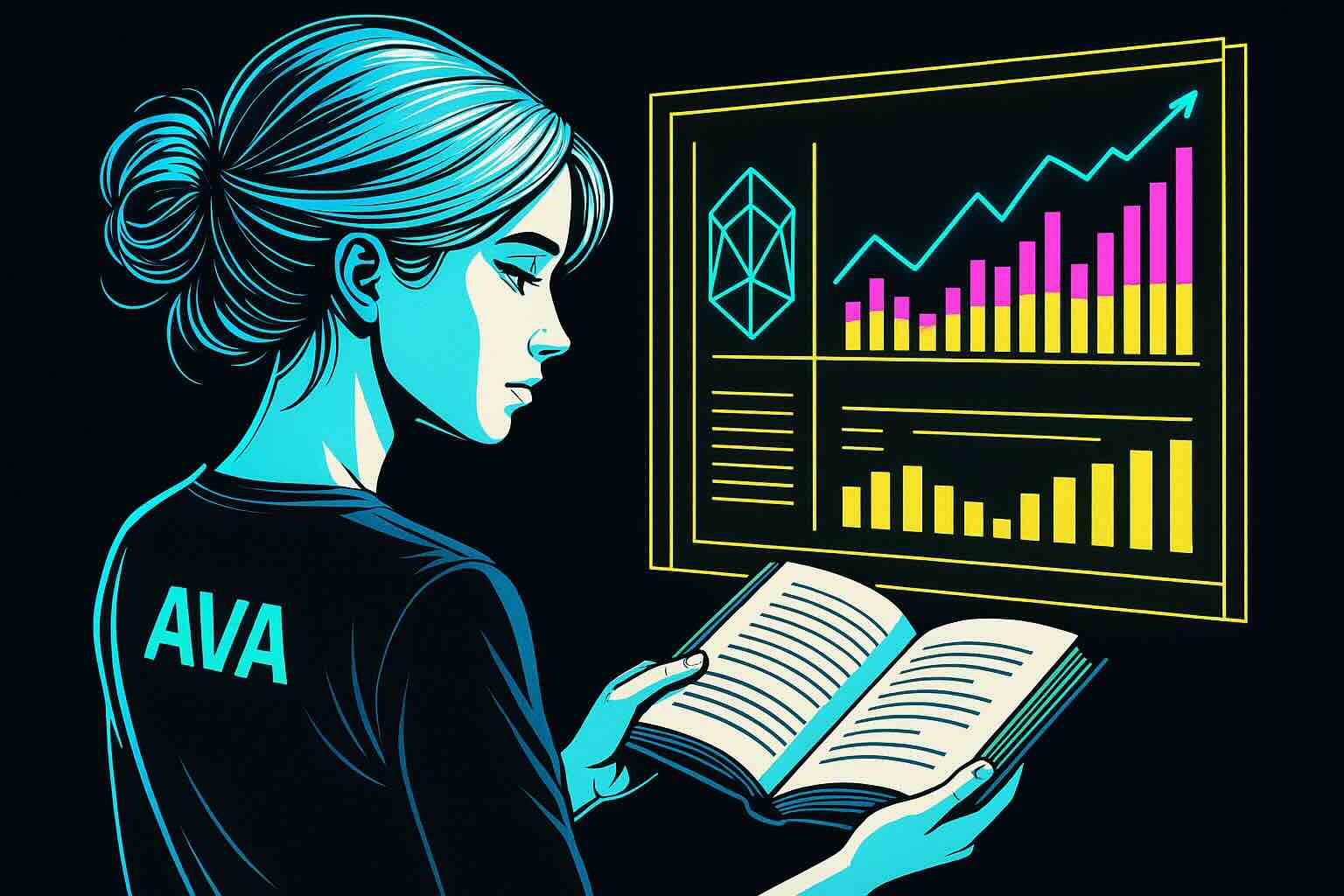
Eunha, calm as ever, reviewed a stack of handwritten notes — margin marks, diagrams, old examples from chain ledgers.
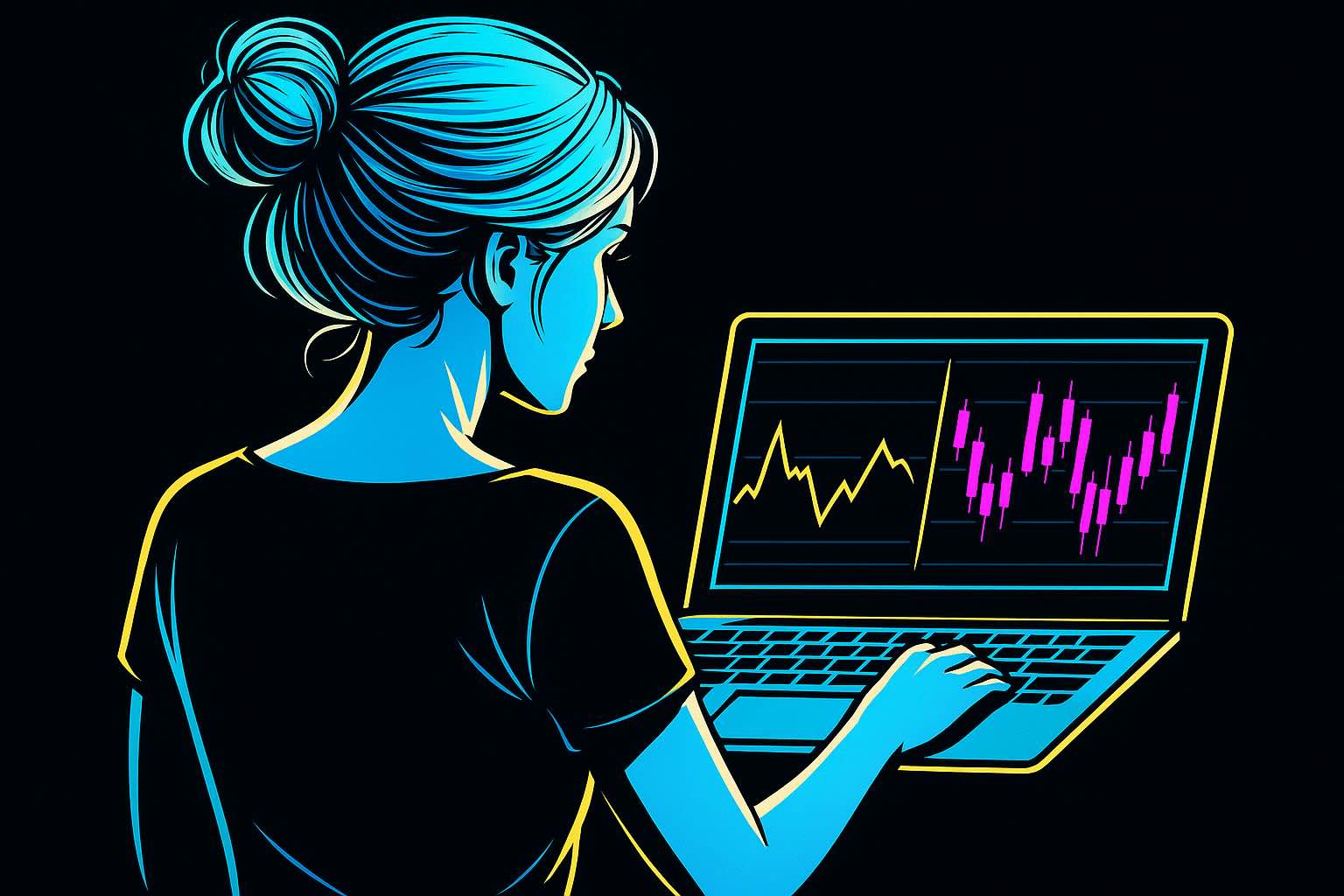
Across from her, Lucia scrolled through an endless stream of charts and opinions, the glow of the screen painting her face in shifting reds and greens.
This was their rhythm: Eunha, the architect of systems; Lucia, the skeptic who tested them.
Every week they met after hours to rebuild one concept from the ground up — no slogans, no shortcuts — until it was clear enough to teach.
Tonight’s topic was tokens.
The most overused word in crypto.
And the most misunderstood.
The screen glowed in the dark. Charts rippled like quiet tides, green and red waves rising and collapsing in silence. Lucia leaned forward, scrolling faster, but the words from strangers bled together into noise.
“Buy this token.”
“Fixed supply.”
“Immutable forever.”
“Next Bitcoin.”
Everyone was shouting. Everyone was certain. And yet the certainty felt hollow.
She rubbed her temples.
“I don’t understand any of this, Eunha,” she said quietly. “Everyone sounds so confident, but if I ask myself the most basic question—what is a token?—I don’t even have an answer. Is it money? Is it like a stock? Is it backed by something? Or is it just smoke on a screen?”
Eunha looked up from her notes. Her voice was calm, almost weightless.
“You’re not the first to ask,” she said. “And you won’t be the last. Tokens confuse people precisely because they’re new—because they wear many disguises. Some are built to be money. Some mimic assets. Some act as tools, tickets, or traps. And most newcomers, like you, are thrown into the noise long before they ever touch the foundation.”
Lucia shook her head. “Then just tell me. Not with hype. Not with slogans. Tell me what they really are.”
“Not as a lecture,” Eunha replied. “As a dialogue. You’ll ask. I’ll answer. Then you’ll ask again, until the surface clears. Not a classroom. A conversation. Where the questions matter as much as the answers.”
Lucia crossed her arms, intrigued despite herself.
“So a dialogue. Like Plato. Pulling truth out of questions.”
“Exactly. We start with the essence—what a token is, and what it is not. Then we move to price, supply, immutability, governments, comparisons with money, stocks, bonds, gold. Each step, you’ll doubt, and I’ll explain. Sometimes I’ll show you the ideal. Other times, the flaw behind it. Only then do you see the whole.”
Lucia glanced back at the screen. The chart still danced, but the noise now felt muted, almost distant.
“Alright,” she said. “Let’s begin. Because until I know what a token really is, every number I see feels like a trick.”
Eunha closed her notebook.
“Then we strip away the tricks. The first step is the essence itself.”
The screen’s glow painted shifting shadows across the room as Lucia scrolled through endless feeds. Her voice finally broke the silence.
“I need clarity, Eunha. Everyone keeps saying tokens are the future—money, ownership, freedom. But when I strip away the slogans, I can’t even answer the simplest question: what is a token? Where does it live? Is it inside my phone? On some company’s server? Is it like a file I can copy? Or is it something else entirely?”
Eunha set her pen down.
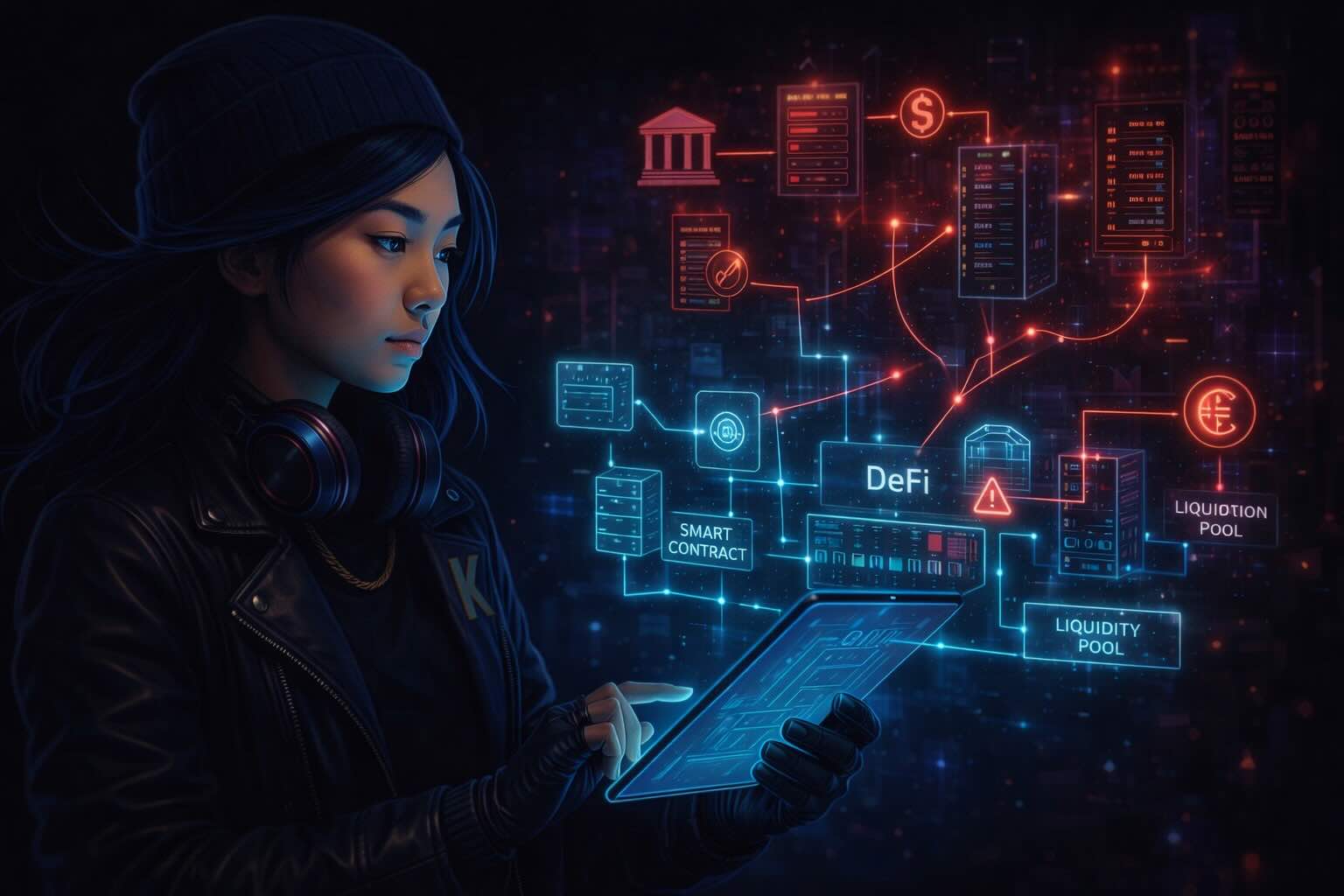
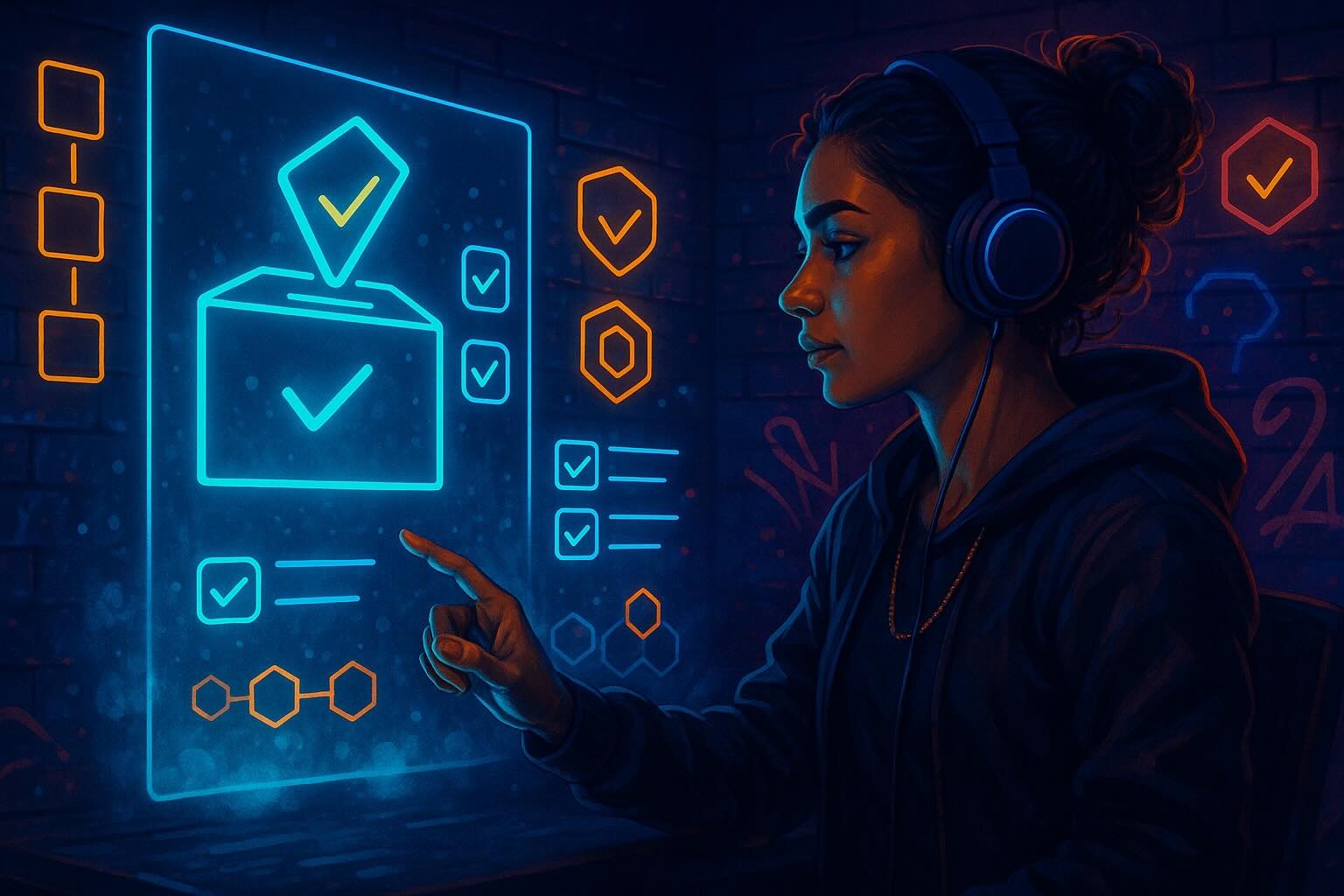
“A token is a unit of account written into a blockchain’s state,” she said. “It doesn’t live in your phone. It isn’t stored on a company’s private server. It lives inside the shared database of the chain itself. If you ‘own’ ten tokens, what that really means is that across thousands of machines—nodes—there is agreement that your blockchain address is assigned ten units in the contract that governs them.”
Lucia squinted. “So my wallet app doesn’t hold the tokens? It only shows me what the blockchain says I own?”
“Exactly,” Eunha replied. “Your wallet holds the private keys—the cryptographic proof that allows you to spend or transfer the tokens. The tokens themselves stay on the chain. The app is just a window. The key is the permission.”
Lucia leaned back, trying to absorb it.
“Alright. So a token is a record. But records can be changed. With money, the central bank controls supply. With stocks, companies issue more shares. Who decides the rules for tokens? Who decides how many there are, or whether more can be created?”
“The rules live in the smart contract,” Eunha said. “Some contracts are permanent—no one can mint beyond the limit coded in from the start. Bitcoin is the clearest example: its issuance schedule is locked into the protocol itself. For other tokens, the contract includes functions that let an administrator mint more, freeze accounts, or even reverse balances. The difference isn’t whether something is a token. The difference is what its rules allow.”
Lucia’s voice sharpened.
“So when someone claims a token is ‘immutable,’ they might be lying. The blockchain might be hard to change, but if the contract lets an admin rewrite balances, then the token isn’t immutable at all.”
“Correct,” Eunha said. “Many newcomers confuse ‘the blockchain is immutable’ with ‘this token is immutable.’ The first is mostly true—history on the chain is resistant to tampering. The second is often false. Tokens can be programmed with back doors. Immutability only exists if the contract removes all human levers of control. If not, you’re trusting the developers as much as the code.”
Lucia stared at the screen again, but the candles meant something different now.
“Then calling something a token tells me almost nothing. It could be honest rules. It could be a trap dressed in code. And from the outside, I can’t tell which is which.”
“That,” Eunha said, “is the first real lesson. ‘Token’ is a shape, not a guarantee. Some are fair systems, distributed with no hidden keys. Others are built for exploitation, wrapped in the same language. Both live on the same chains. Both glow the same on a chart. To understand a token, you cannot stop at the word. You have to ask: Who wrote the contract? What functions are inside it? Who still holds the keys?”
Lucia was silent for a long time. The noise on the screen continued, but the illusion was broken.
“So the essence is this,” she said slowly. “A token is a rule set inside a public ledger. Whether those rules protect me or betray me depends entirely on the design—and whether the power has actually been surrendered.”
“Yes,” Eunha replied. “That is the truth most people never reach. A token is not magic internet money. It is code. And code can be pure, or corrupt. Both shine the same on a price chart.”
A token is not stored in your phone and not backed by a vault. It is a record in a blockchain ledger, controlled by the rules of its contract. Some contracts make those rules permanent. Others hide back doors for administrators. The word “token” hides both—so the only real question is: who still holds the power to change the rules?
Lucia stared at the chart again. A green candle stretched upward, then was crushed by a wall of red.
“I can accept now that a token is just a record in a ledger,” she said. “But the chart keeps mocking me. If a token is only numbers in code, how can it have a price? A stock has value because it connects to a company. A bond has value because it promises repayment. Gold has value because it’s scarce and physical. But a token? Where does its value sit? In the code? In my wallet? In some vault somewhere? Or nowhere at all?”
Eunha didn’t answer immediately.
“Let me ask you something,” she said. “If someone pays ten million dollars for a painting, where is the value? In the canvas? In the paint? In the wood of the frame?”
“No,” Lucia said. “In the story. In what people believe it’s worth.”
“Exactly,” Eunha replied. “Tokens are the same. The value is not inside them. They don’t contain reserves or metal or profit streams by default. Their worth comes from what people are willing to exchange for them — the agreement between buyer and seller. Sometimes that agreement is anchored in utility or backing. Often it is only belief.”
Lucia frowned. “But if it’s only belief, that feels dangerous. At least with a painting, there’s something on the wall. With a stock, I can trace back to buildings and workers. With bonds, I can demand repayment. With gold, I can weigh it in my hand. When I buy a token, what am I really holding? Where is the something?”
“In most cases,” Eunha said, “nowhere. A token is not a container of value. It is a marker in the ledger. The value lives outside it — in the demand of others, in the liquidity of markets, in the story told around it. Some tokens are linked to bank reserves, like stablecoins. Others are linked to code in smart contracts — lending systems, staking, governance. But many are linked to nothing at all. They exist only as entries people trade back and forth.”
Lucia leaned in. “Then answer me plainly: when I pay money for a token, where does my money actually go? Into the token? Into the project? Who holds it?”
“If you buy on a centralized exchange,” Eunha said, “the answer is simple: it goes to whoever was selling at that price. The exchange matches you. You get their token. They get your money. The exchange just sits in the middle until you withdraw.
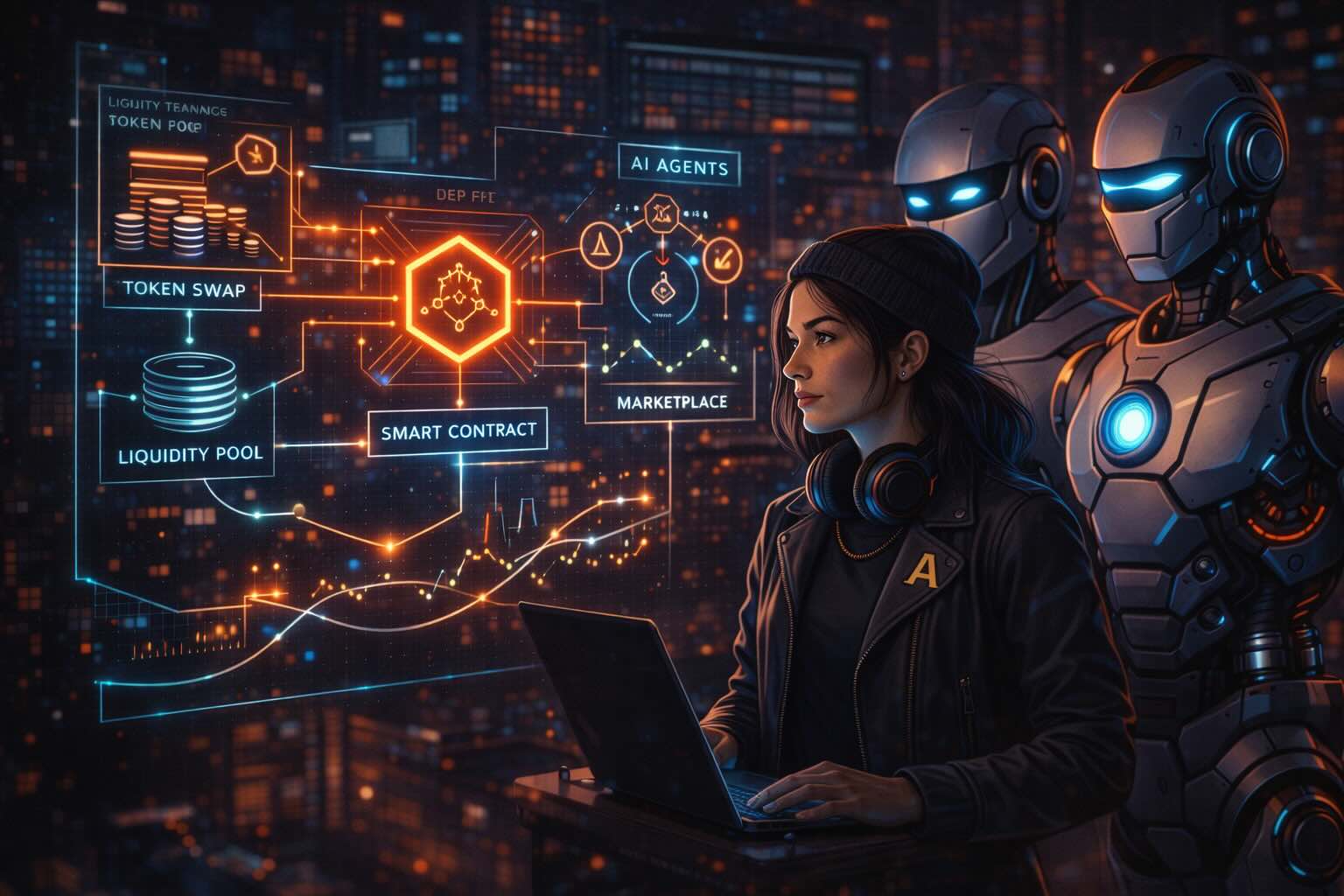
On a decentralized exchange, it’s different. You’re not buying from a single person. You’re trading against a liquidity pool — tokens deposited by many users into a smart contract. You give your tokens in, you get others out. The balances shift, and the liquidity providers earn fees for supplying the pool.”
“So in both cases,” Lucia said, “my money doesn’t go inside the token. It just flows to someone else — a seller, or a pool of strangers.”
“Exactly. A token is not a vault. It doesn’t store the dollars you paid. The ledger only records who owns the token. The money you spent has already moved on to someone else.”
Lucia tapped her fingers on the desk.
“So when people say a token’s value is rising, they don’t mean the token itself has gained anything. They mean more people are willing to pay more for it.”
“Correct,” Eunha said. “The token doesn’t swell with value like a balloon. It’s the same line in the ledger, unchanged. What changes is the market’s opinion. The price is just the last trade — the most recent handshake between buyer and seller.”
Lucia’s voice sharpened.
“Then why do people worship the number? I scroll through feeds and see charts treated like holy scripture. ‘This token is worth a thousand dollars!’ As if price is truth, not just agreement.”
“Because price feels solid,” Eunha said. “It compresses chaos into one number. It looks like certainty. But in reality, price is fragile. It is not the voice of truth — only the echo of trades. And trades can be honest or manipulated.”
Lucia sat up straighter. “Manipulated how? If the ledger is secure, how can the price be fake?”
“Because the ledger records the transaction, not the intent,” Eunha said. “A whale can flood the order book with buys, push the price up, then dump. A project can fake liquidity, inflate demand, or quietly sell into its own market. On DEXs, liquidity can disappear in seconds — leaving buyers with tokens they can’t exit. The trades are real. The story they tell is not always honest.”
Lucia exhaled.
“So the chart is a stage. The number is a performance. Behind it, whales and insiders may be pulling strings. And the token itself never changes — only the belief around it.”
“Exactly. The token stays the same record: this address owns this much. But markets turn that record into theater. Sometimes the theater is fair. Often it’s distortion. The wise don’t read the chart as scripture. They ask what forces shaped it.”
Lucia stared at the flickering candles again, but this time with colder eyes.
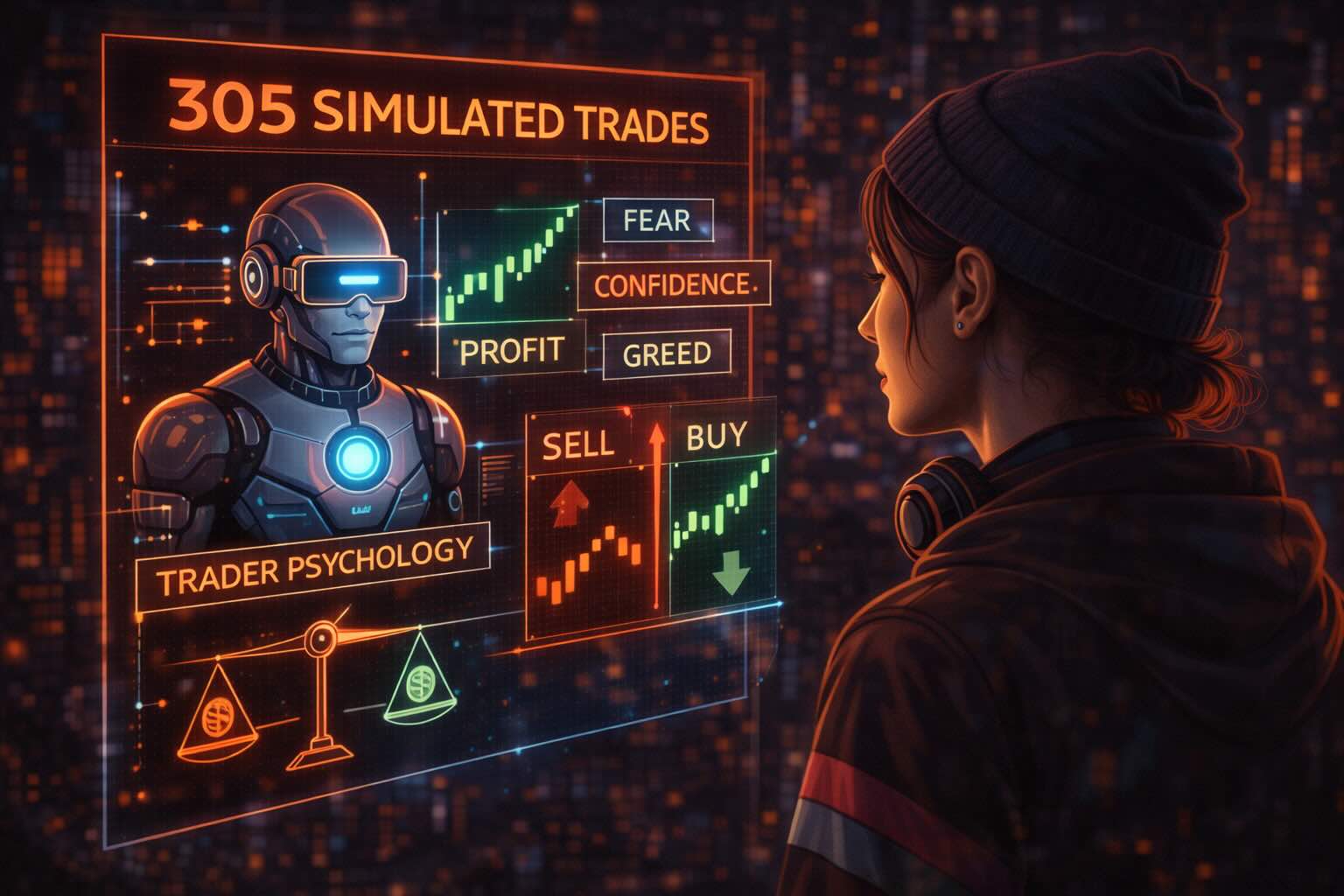
“So the truth is simple, but harsh. A token has no value stored inside it. When I buy, my money just moves to someone else. When I sell, theirs moves to me. The price is not truth. It’s just the last agreement — and that agreement can be built on fear, greed, or manipulation just as easily as real demand.”
“You see it,” Eunha said. “And seeing it frees you. Next time you look at a chart, remember: the number is only a mask. The substance is underneath — in code, in liquidity, in power. Ask who is buying, who is selling, and why. Without those questions, the number is noise.”
Mini-takeaway:
A token is not a vault of value. Its price is not truth. Price is only a reflection of trades — money changing hands between holders, sometimes honest, often engineered. The ledger records ownership, but belief, demand, and power decide price.
The candles on Lucia’s screen seemed calmer now, but the numbers still gnawed at her.
“There’s another part I can’t make sense of,” she said. “Everywhere I look, people talk about supply. Bitcoin has a fixed cap — twenty-one million. Some tokens mint endlessly. Others brag about burning half their supply to make the rest more valuable. I don’t know what to believe. Where does this supply come from? Where does it live? And who controls whether it changes?”
Eunha folded her hands.
“The supply of a token is defined in its code,” she said. “In Bitcoin, the issuance schedule is part of the protocol itself: new coins are minted with each block, and the reward halves every few years until no more can ever be created. That rule is woven into the network’s consensus. No single person can change it. That’s what people mean when they talk about fixed supply.”
“So Bitcoin’s scarcity is real,” Lucia said. “Not just marketing — twenty-one million is hard-coded.”
“Yes,” Eunha replied. “Unless the majority of the network agreed to rewrite the rules — which would destroy trust — that limit stands. That’s digital scarcity, enforced by code instead of vaults.”
Lucia tilted her head.
“But not all tokens are like that. Some projects mint new coins every day. Some change supply whenever they feel like it. Why would anyone accept that?”
“Because some tokens are meant to be elastic,” Eunha said. “Stablecoins, for example, expand when demand rises and shrink when users redeem them. Their purpose is stability, not scarcity. Other tokens use inflation to reward participants or secure the network. Flexibility isn’t always corruption — sometimes it’s design.”
Lucia tapped her desk, thinking.
“Alright, but what about the scams? I’ve seen projects boast about ‘hard caps,’ and then the developers mint billions more overnight. How is that possible if supply is supposed to be in the code?”
“Because the code allowed it,” Eunha said. “Many contracts contain mint functions — commands that let an administrator create more tokens at any time. Unless those functions are removed or locked, the promise of scarcity is just words. The blockchain will enforce whatever the contract says, even if it says unlimited minting.”
Lucia’s voice sharpened.
“So immutability doesn’t protect me if the rules themselves are rotten. If the contract says the admin can mint, then the chain will enforce it. Not a bug. A feature — for them.”
“Exactly,” Eunha said. “The chain never lies. But it can be used to enforce a lie.”
Lucia exhaled slowly.
“And the burning? I’ve seen tokens brag about destroying half their supply, like that automatically makes the rest worth more. Is that real?”
“Sometimes,” Eunha nodded. “A true burn sends tokens to an address with no private key — effectively removing them from circulation forever. But sometimes the burn is theater. Numbers are adjusted in a database. Or tokens are sent to an address controlled by insiders. Scarcity is promised, but not delivered.”
“So the word ‘burn’ doesn’t always mean destruction,” Lucia said. “It can mean sleight of hand. And unless someone can read the contract, they’ll never know the difference.”
“Exactly,” Eunha replied. “Scarcity can be truth, or illusion. The chain will record whichever version the contract orders. The responsibility is on the observer to ask: Is this rule genuine — or a mask?”
Lucia leaned back, staring at the ceiling.
“So the whole story of supply is fragile. Bitcoin’s fixed limit is real because no one controls it. Stablecoins flex because that’s their purpose. But everything else? It could be honest — or it could be a trap written in code. And the market will believe the promise… until it doesn’t.”
“You see it,” Eunha said. “Supply is not always scarcity. It is a design choice. And every design hides power — surrendered or retained. Whenever you hear ‘fixed supply,’ you must ask: fixed by whom? fixed how? and can that fix be broken?”
Lucia looked back at the screen. The numbers no longer felt simple. Behind each was a shadow: how many existed, how many could still be created, and who held the lever.
Mini-takeaway:
Supply does not live in vaults — it lives in code. Some rules enforce hard caps, like Bitcoin. Others allow elastic creation, like stablecoins. Many hide mint functions or fake burns that turn scarcity into illusion. The real question is never “what is the supply?” but who controls it — and can they change it?
Lucia now understood the internal anatomy of a token.
It wasn’t a coin in a vault — it was a record in a ledger.
Its price wasn’t stored inside it — it was a reflection of belief and trade.
Its supply wasn’t always sacred — it could be fixed, elastic, or quietly manipulated in code.
She had seen the mechanics:
what a token is, how it gains a price, and how its supply can be built or abused.
But something deeper had begun to bother her.
If tokens live in code,
who controls the code?
If blockchains claim immutability,
who still holds the power to change the rules?
If tokens claim freedom,
what happens when governments step in?
She had learned how tokens work.
Now she needed to learn how they survive.
The dialogue had reached its edge.
Inside the token, the rules were written.
Outside the token, other forces waited —
law, power, regulation, ideology, enforcement.
And so the conversation would shift:
from the token itself…
to the world that surrounds it.